
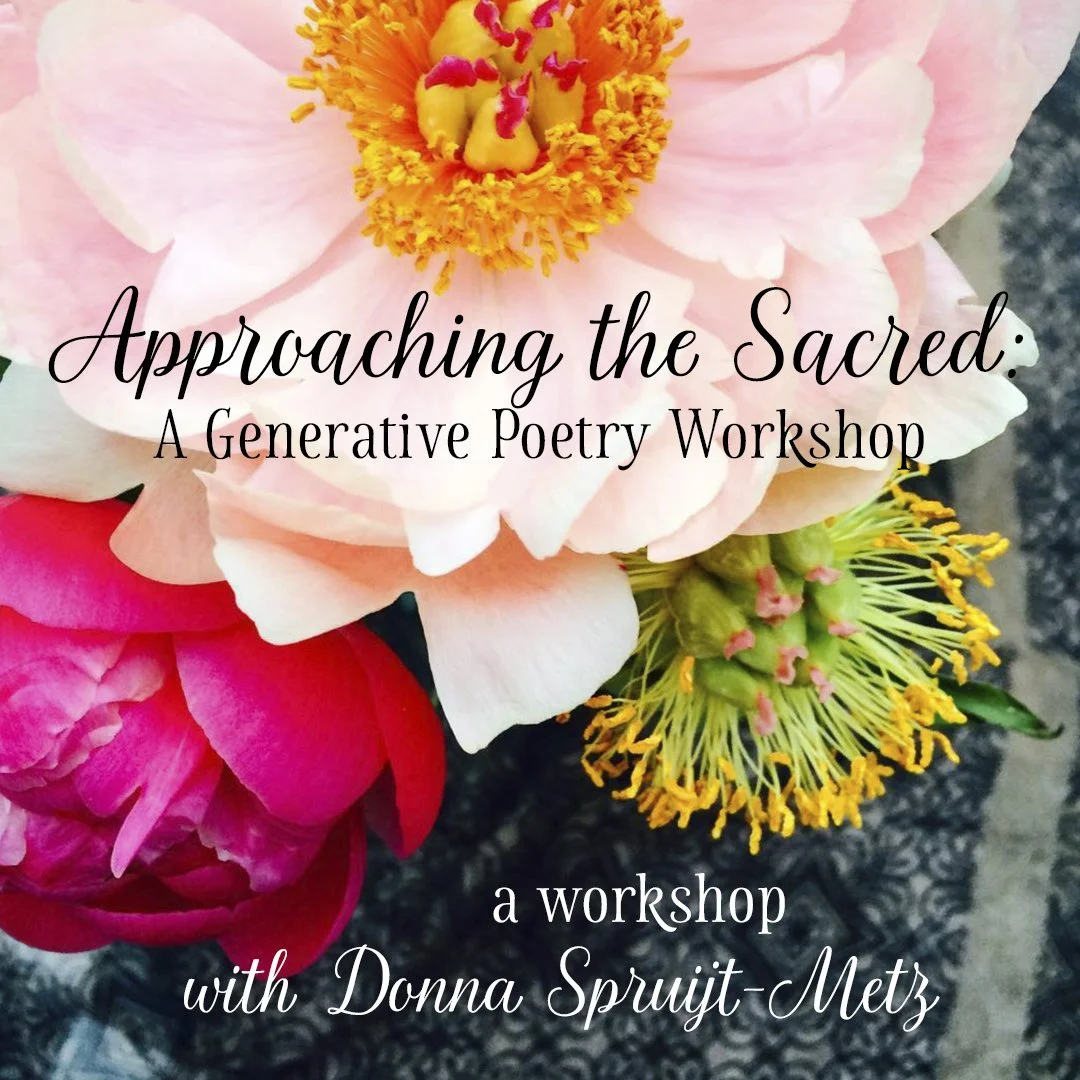
Poets have always called out to whatever they consider holy: God, the Goddess, a higher power, nature, the unfathomable. We reach out with ‘why’ questions, such as ‘Why is this happening?’ or ‘how’ questions, such as ‘How can I keep a good heart in this world?’ These poems can be powerful expressions of joy, sorrow, anger, anguish, confusion, wonder—even curiosity and playfulness—and they offer conversations that are interesting, deep, and deeply personal. In this generative workshop, we will work from psalms and poems, employing a form of Lectio Divina—a contemplative way of engaging with a text that invites the writer to create their own work and offers a pathway towards writing in dialogue with whatever you consider holy.
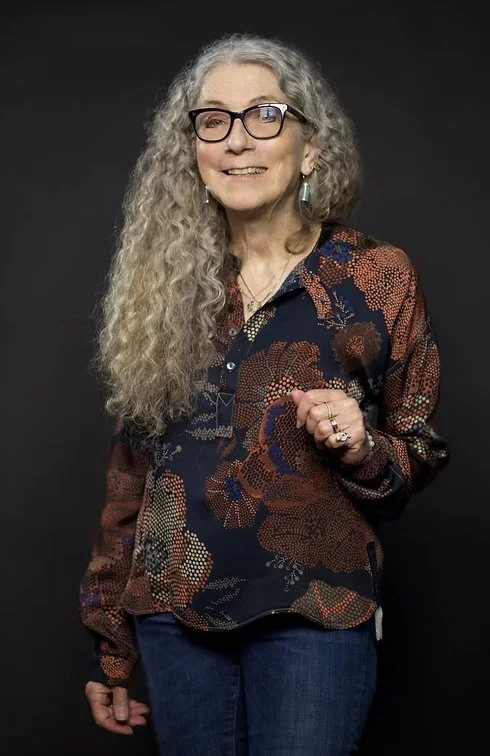
Donna Spruijt-Metz has published four books of poetry, she’s an emeritus psychology professor, MacDowell fellow, rabbinical school drop-out, former classical flutist, and briefly, a rock and roll bassist.
Poets have always called out to whatever they consider holy: God, the Goddess, a higher power, nature, the unfathomable. We reach out with ‘why’ questions, such as ‘Why is this happening?’ or ‘how’ questions, such as ‘How can I keep a good heart in this world?’ These poems can be powerful expressions of joy, sorrow, anger, anguish, confusion, wonder—even curiosity and playfulness—and they offer conversations that are interesting, deep, and deeply personal. In this generative workshop, we will work from psalms and poems, employing a form of Lectio Divina—a contemplative way of engaging with a text that invites the writer to create their own work and offers a pathway towards writing in dialogue with whatever you consider holy.
Donna Spruijt-Metz has published four books of poetry, she’s an emeritus psychology professor, MacDowell fellow, rabbinical school drop-out, former classical flutist, and briefly, a rock and roll bassist.